



Why go sailing in Greece?
Charter a yacht in Greece and experience a sea of opportunities, escape reality by sailing among thousands of beautiful and easily accessible Greek islands in a pleasant Mediterranean climate. With so many locations worth discovering, it is no wonder that a yacht charter in Greece is the first choice for sailing the Mediterranean.
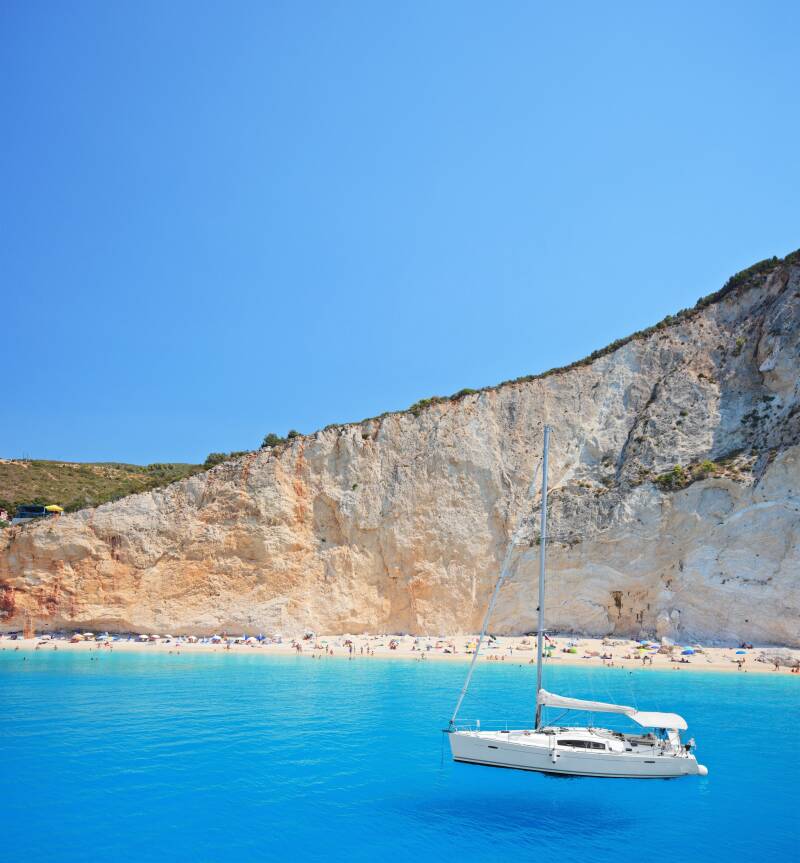
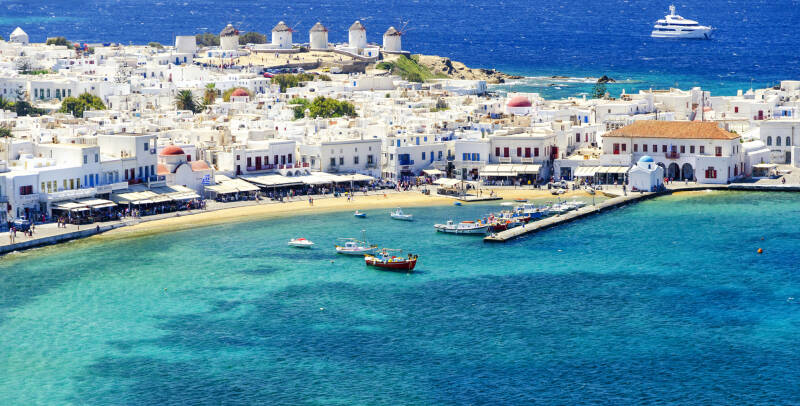
The country has around 3,000 islands, which is the most of all countries in the Mediterranean Sea. Hop aboard your rental yacht in Greece and sail to the most popular yachting destination - the Ionian Islands. Visit Faneromeni Monastery on Lefkada and discover local gastronomy on Corfu with a shot of strong ouzo and a plate of olives with cheese. Decide between a bareboat or a skippered yacht charter in Greece and sail to the vibrant island of Zakynthos or to Mykonos, “the island of the winds”. Enjoy mineral baths, lively nightlife and meet tourists from all around the world. Walk around Ithaca, the home of Odysseus and the setting of thousand-year-old myths.
Choose Your Perfect Boat in Greece
Sailing Conditions in Greece
The sailing season in Greece lasts from April to November and is like other Mediterranean countries. The peak/high season lasts from the last week in June until the middle of September. During this time, you can expect crowded marinas and ports, and many day-tripper motorboats that occupy numerous port moorings on islands, so be prepared for occasional anchoring while yachting in Greece.
The best time to sail is in the shoulder seasons, in June and from the second week in September. You can enjoy the milder days of summer and at reasonable prices. There are also regional differences in the season due to the size of Greece; for example, summer and shoulder seasons are longer in the south of the Aegean islands where swimming is also possible in December.
The climate in Greece is affected by the Mediterranean, and less protected by the Azores High. This guarantees long summers for a sun filled yacht charter in Greece. The weather is characterized by damp, mild winters, while summers can be very hot and dry, with a lot of sun and temperatures up to 35 °C. After a long summer period, at the end of October, the weather begins to be more unstable because of the decreasing Azores High, and the mixture of the cold and stifling air masses can cause thunderstorms.
The more south you sail, the more sun you will have on your yacht charter in Greece. For example, the region of Crete counts 300 sunny days (3,000 sunny hours) a year, and other islands like Rhodes or Thira (Santorini) have a similar number of sunny days. This value counts among the highest in Europe. The temperatures can reach high levels fast, but humidity stays around a comfortable 50%, and the air is sometimes dry.
Sailing Regions in Greece
Winds and Tides
Winds in Greece are known to be very changeable, especially in winter months, where high and low-pressure differences (fields) are dominating. In the months from mid-October to mid-June, the wind changes direction and strength quite often. During summer, a barometer is not a good indicator to predict the weather since it never goes over 10 hPa. There is also a rule of 3-4 days that means the wind will change its direction from north to south and back every 3-4 days.
The most relevant wind is the Meltemi which is dominating from the end of June till the beginning of September, coinciding with Greece yacht rental season. The meltemi blows up to 8 Beaufort and brings cold and dry air with humidity of 50-70 %, making summer temperatures very pleasant. The meltemi declines in the morning and evening and reaches its strength during sunny hours. After its decline, it could be possible that the coast gets weak south winds between 1-3 Beaufort. It is useful to set a second anchor then. Be sure to take into consideration the meltemi when planning your itinerary aboard a yacht in Greece.
Greece can be divided into five wind zones. The winds of each zone are blowing sometimes independently, but not so if the meltemi gets strong, then you will have similar wind directions everywhere. The Ionian Sea and islands are dominated by northwest winds which start blowing in the late midmornings and decline in the evening. The coast around Peloponnese is dominated by west winds which can reach up to 6 Beaufort, and sometimes south winds (scirocco) as well. All the other regions near the coast can expect north-dominated winds because of the land masses. Keep in mind there are gusts of winds blowing between and behind isles with high mountains. The differences between the gusts and distant sea winds can be noticeable.
The tide differences are practically negligible, which causes relaxed embarkation from ports. The highest values are measured around the coast of Attica (0.7 m).
Important Info for Sailing in Greece

Best Time to Sail
April - November

Weather/Climate
Mediterranean

Sailing License
Required, additional crew member required

Currency
Euro (EUR)

Spoken Language
Greek

Top Attractions
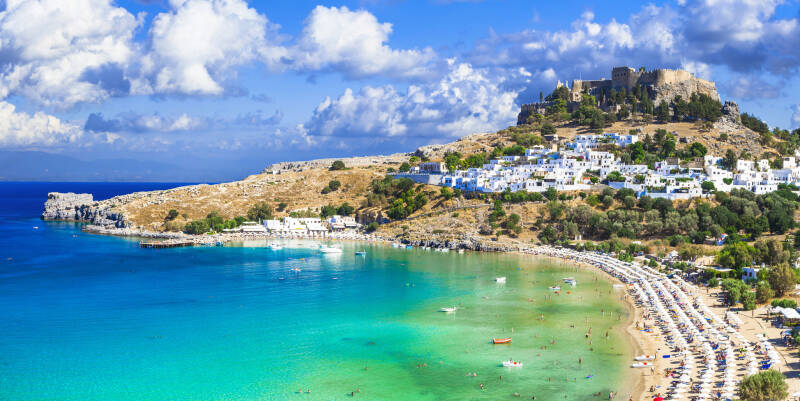
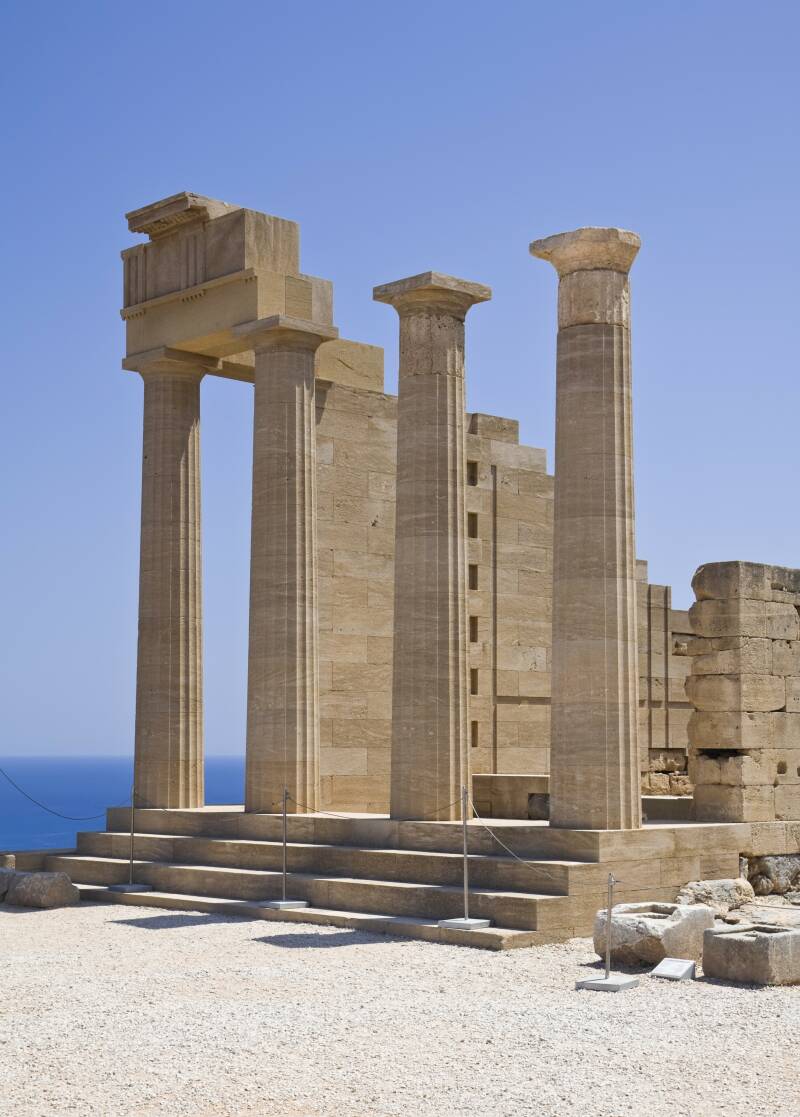
Parthenon, Athens, Santorini, Crete, Mykonos, Rhodes Town, village of Lindos, Thessaloniki, Mount Athos, Meteora, Mystras, Myrtos Beach, Delphi
Top Reasons to Visit Greece
Because Greek sailing areas have so much to offer, from numerous islands and breathtakingly scenic coastline to bustling ports and lively harbours, it would take you more than just one sailing trip on your yacht rental in Greece to explore this marvellous country, no matter if you are a beginner or a professional.
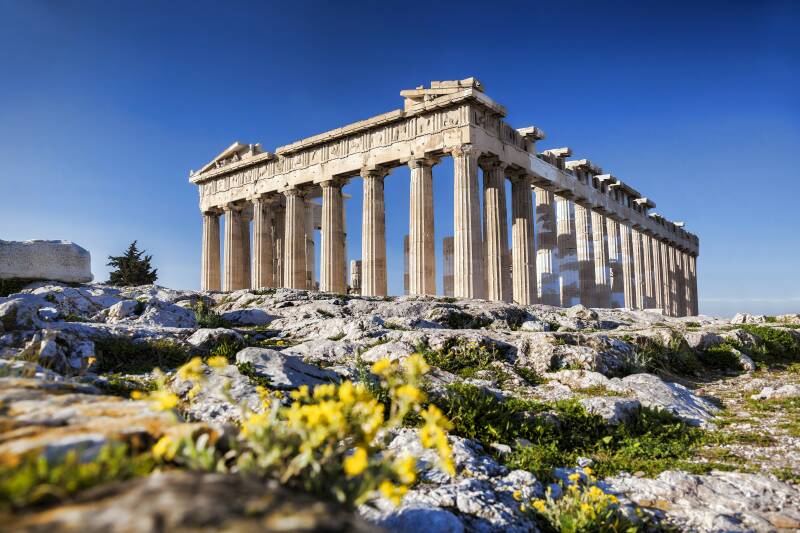
Athens is a destination you shouldn’t miss while exploring Greece aboard a sailboat or catamaran. This fascinating city will leave you breathless with its architecture, which serves as its best storyteller. Visit rich museums and ruins of old temples such as Acropolis and Parthenon. If you are sailing in Greece from May to October, don’t miss the famous Athens Epidaurus Festival where you can enjoy the traditional bouzouki music or even learn a folk dance!
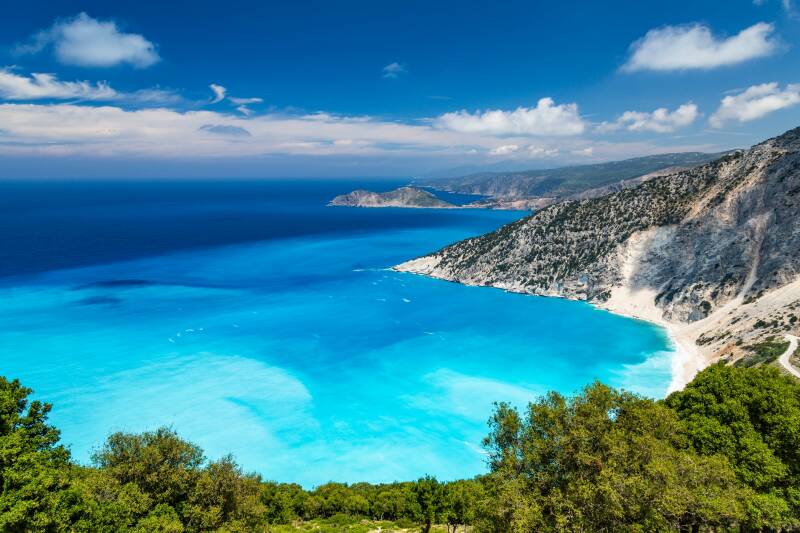
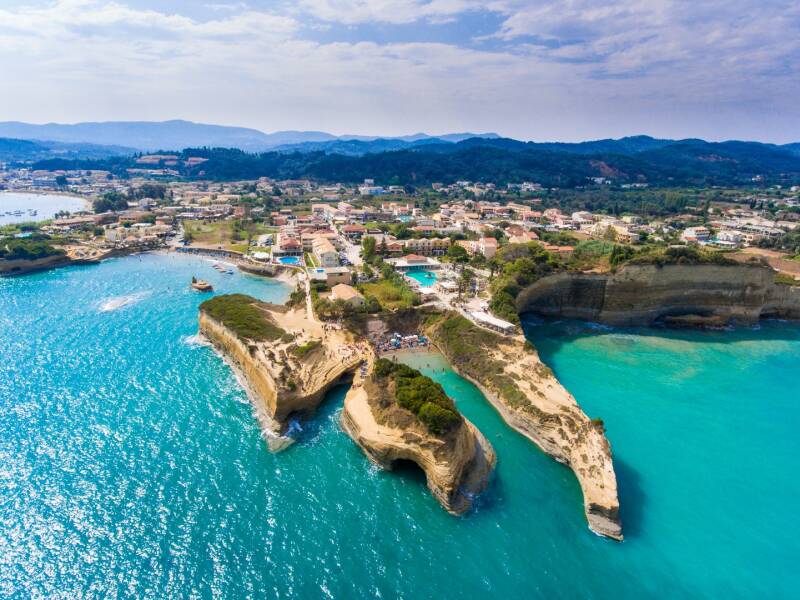
Spending your sailing holidays in Greece means exploring old mythological places – in the Ionian islands, Corfu Island is known in mythology as Scheria, Odysseus’s last stop before his return to Ithaca. You can witness some of the history in Kassiopi Village before having fun at popular beaches like Marathiá, Gardénos or Íssos on your Greek sailing charter.
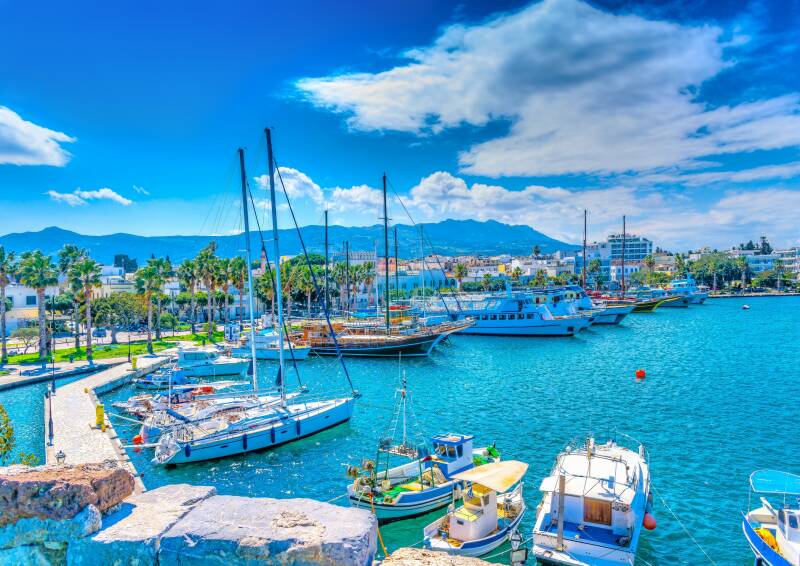
For all those adrenaline addicts, there are a lot of activities you can find on Kos, from windsurfing, paragliding, parascending, water skiing, canoeing, and much more. Your yachting experience in Greece doesn't have to be just sailing. Wine lovers will be thrilled to hear that in the heart of the island there are many vineyards, the most prominent being Triantafyllopoulos Winery, which will surely leave your taste buds satisfied.
Drop your anchor in Mandraki Marina, where once the mighty Colossus of Rhodes, one of the Seven Wonders of the Ancient World, guarded the entrance to the port. Before heading back to your yacht rental, take a walk among the ruins dating back to the time of the Trojan War or go on a popular medieval segway tour ride to discover the Street of Knights. In fact, the entire Medieval City of Rhodes is included on UNESCO’s World Heritage List.
All archaeological buffs and Greek mythology lovers will definitely enjoy a visit to Delos, the sacred island in the central Cyclades, a birthplace of twin gods Apollo and Artemis.