


Why Go Sailing in Croatia?
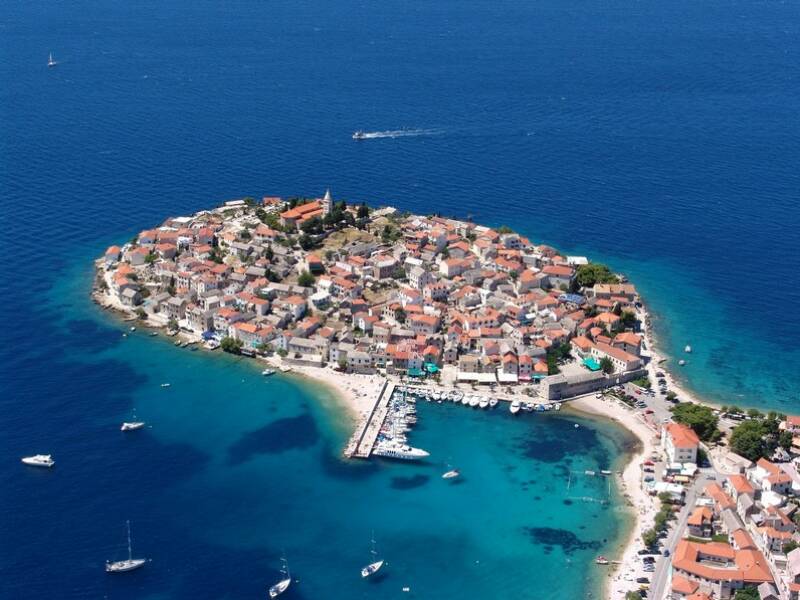
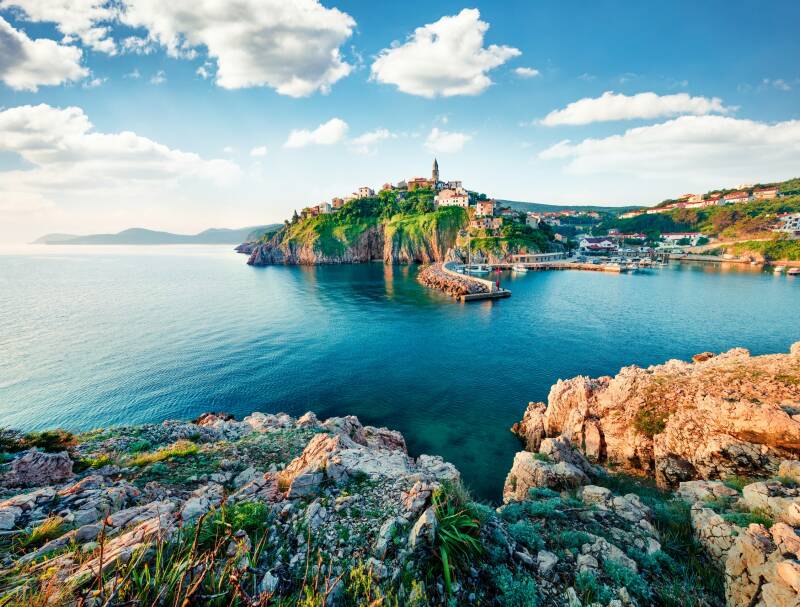
With more than 6000 km of coastline and more than 1000 islands dispersed throughout the Adriatic Sea, Croatia truly is one of the world’s best places for sailing and cruising. Charter a yacht in Croatia and find that perfect piece of paradise among its undiscovered bays and unspoiled beaches for your well-deserved sailing holiday. Choose between numerous yacht charters in Croatia and get ready to discover mesmerizing ancient cities of Dubrovnik, Split, Šibenik, and Zadar along with some of the most beautiful islands in the world like Hvar, Brač, Vis, Mljet, or Kornati Islands and explore their rich cultural heritage influenced by both ancient Rome and the Ottoman Empire.
Choose Your Perfect Boat in Croatia
Sailing Conditions in Croatia
Recommended period to charter a yacht in Croatia and start sailing the Croatian coast is between April and October. The peak season is reserved for July and August. Less crowded – with lower yacht charter costs, but still warm are May, June, September, and October.
The Croatian coast enjoys a Mediterranean climate with hot, dry summers and mild, rainy winters. The summers are hot with temperatures going up to 40°C and the sea temperature is around 25°C.
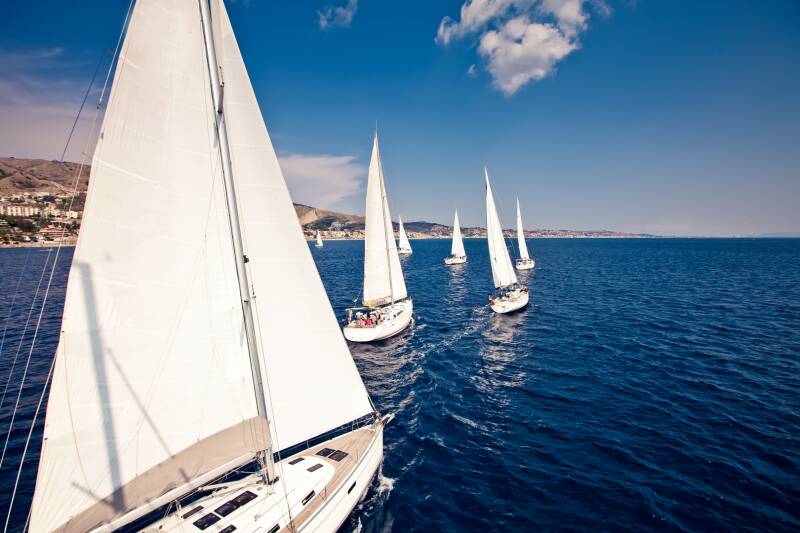
The Adriatic Sea gets plenty of sunshine, 2600 hours per year on average so you can be sure you will soak up the sun on your yacht charter Croatia.
There are eight winds that blow on the Adriatic. Each has its own characteristics that can often be recognized by clouds appearing in the sky. The Adriatic Sea is, in general, very tame and will not cause you any significant troubles while sailing, so choosing bareboat yacht charter in Croatia is an easy decision.
However, special attention must be paid to a sudden and strong storm called neverin, which, in this area, occurs 3-4 times per month. Neverin usually lasts only half an hour, but it can be immensely powerful. Bura is a cold and dry north or north-eastern wind blowing in extremely strong gusts making sailing challenging, but after it ends, brings clear skies and lovely weather. Jugo, on the other hand, is a warm and humid south or south-eastern wind that brings clouds and severe weather, as well as big waves. Maestral is the most common summer wind bringing stable weather, and always blows from northwest. It is a very constant wind usually reaching speed between 15 and 20 knots, which is perfect for sailing the Adriatic.
Waves in Croatia, on average, are between 0.5 m and 1.5 m, but can get bigger with stronger winds. Sea currents in the Adriatic are hardly noticeable and move at an average speed of 0.5 knots. Tides have small amplitudes, around 40 cm, but can get slightly bigger if jugo is blowing.
Sailing Regions in Croatia
Important Info for Sailing in Croatia

Best Time to Sail
April - October

Climate
Mediterranean

Sailing License
Required + VHF Certificate

Currency
Euro (EUR)

Spoken Language
Croatian

Top Attractions
NP Kornati, NP Krka, NP Mljet and Plitvice Lakes, City of Dubrovnik, Diocletian's Palace in Split, Pula's Roman Arena, Town of Hvar and Korčula, island Vis and the Blue Cave
Top Reasons to Visit Croatia
With the abundance of things to see, do and eat on your yacht charter in Croatia, choosing the right ones might be a task. Take a look at some of the most popular destinations and attractions to visit while exploring Croatia by boat.
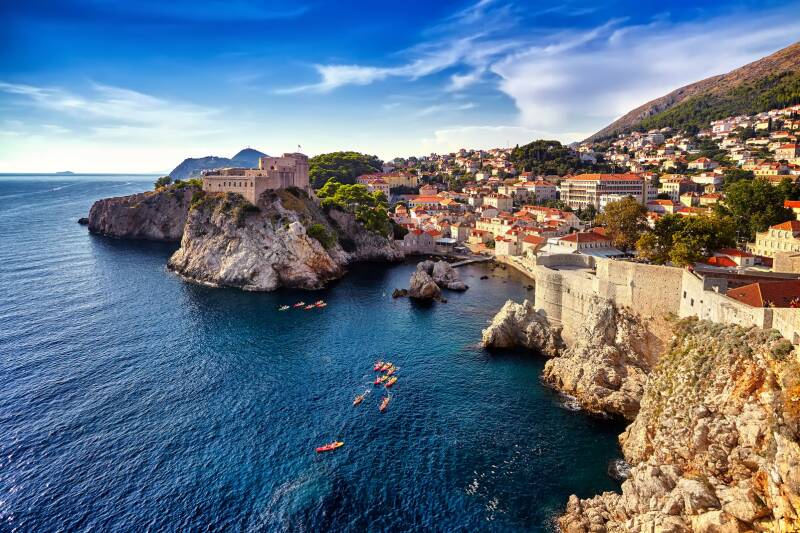
As one of the most prominent tourist destinations in the Mediterranean, Dubrovnik needs no introduction. Its old town and botanical garden on the mysterious neighbouring island of Lokrum are definitely worth the visit while sailing Croatia on your yacht charter. Another 20 nautical miles northwest will take you to Pelješac peninsula where we recommend you get a taste of its fine wine and seafood – oysters and mussels.
Magnificent Split city should also be added to the top of your wish list on your yacht charter in Croatia. Here you can find a beautiful UNESCO World Heritage Site - Diocletian’s Palace, an ancient city within a present-day city that brings its rich history to life. Choose between bareboat or yacht charter with skipper in Split and discover some of the most beautiful Croatian islands, one of them being Hvar, an island you should not overlook, especially if you enjoy nightlife.
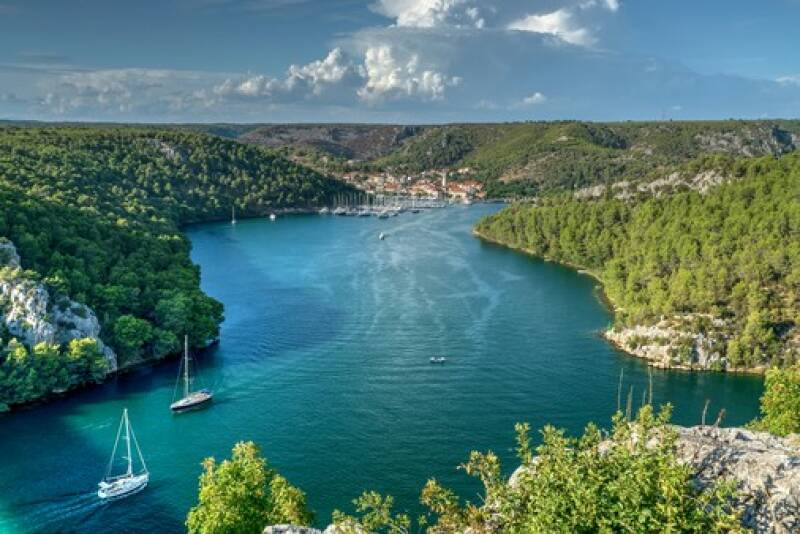
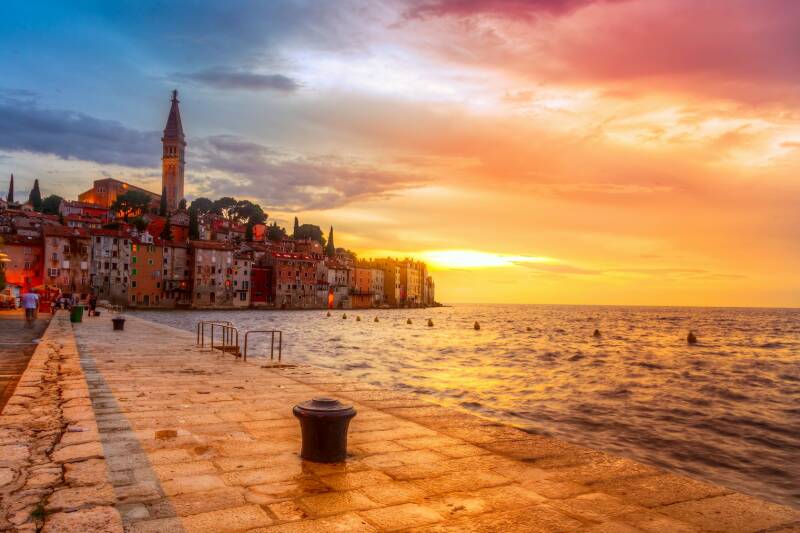
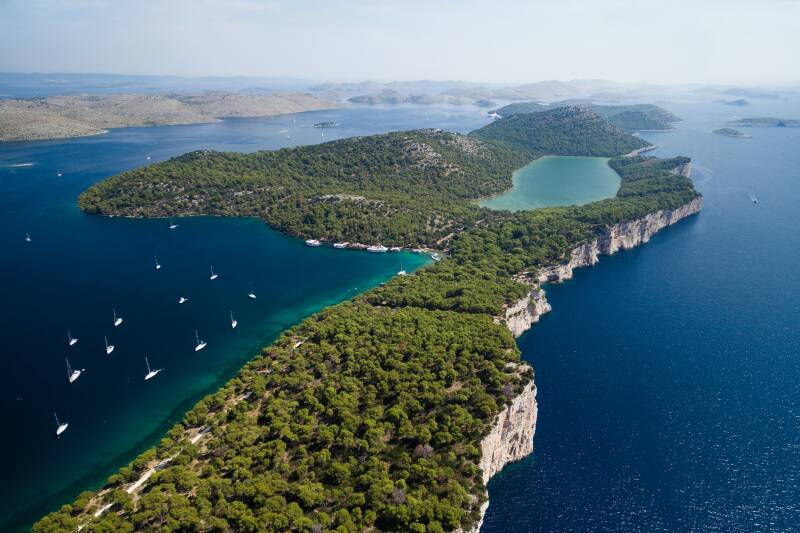
If you are looking for a unique experience while on your charter yacht in Croatia, Krka National Park is a must. Listen to the seven magnificent waterfalls and swim in designated locations, enjoy a boat excursion and visit a monastery on a river island. Choose among many rental yachts and drop your anchor in Zadar, visit Sea organ and Sun Salutation - two impressive artistic installations, which utilise the power of nature to create beautiful sounds and sights. Not far from Zadar, you will find Kornati islands; a mesmerizing group of islands often called “nautical paradise.”
Ancient history enthusiasts will love Pula, home to the only existing Roman amphitheatre with four towers completely intact – The Pula Arena. Finally, Croatian sailing holiday should not go without the ultimate food experience – tasting truffles in Istria.